
Call: 08071931255
 Send Inquiry
 Send Inquiry
Three Dial Gauge
Price 128000.0 INR/ Unit
MOQ : 1 Unit
Three Dial Gauge Specification
- Product Type
- Three Dial Gauge
- Power Supply
- Electric
- Voltage
- 440 Volt (v)
- Operate Method
- Semi-Automatic
- Material
- MS
- Usage
- Industrial
- Color
- Blue
Three Dial Gauge Trade Information
- Minimum Order Quantity
- 1 Unit
- Supply Ability
- 100 Units Per Day
- Delivery Time
- 2-3 Days
About Three Dial Gauge
Procedure:-
Step 1: Prepare the Specimen
- Remove the specimen from curing.
- Clean the surfaces and inspect for defects.
Step 2: Position the Specimen
- Place the concrete cube or cylinder centrally on the lower platen.
- Ensure proper alignment.
Step 3: Set Dial Gauges
- Check that all three dial gauges are properly positioned and set to zero if required.
Step 4: Apply Load
- Start the hydraulic system.
- Apply load gradually and continuously without shock.
Step 5: Observe Gauge Readings
- Monitor the three dial gauges during loading.
- Ensure uniform load distribution.
Step 6: Continue Until Failure
- Increase the load until the specimen fails.
- Record the maximum load at failure.
Step 7: Calculate Compressive Strength
Fc = P / A
Where:
- f = Compressive Strength (N/mm)
- P = Maximum Load at Failure (N)
- A = Loaded Area of Specimen (mm)
Step 8: Record Results
- Note the compressive strength and failure pattern.
- Prepare the test report.
Reliable Precision for Industrial Monitoring
This Three Dial Gauge is meticulously engineered to deliver accurate readings in industrial settings. Its ability to handle up to 440 volts, combined with a semi-automatic operate method, ensures dependable performance. The use of mild steel enhances its durability, making it a preferred choice among Indian manufacturers and suppliers for long-term operations.
User-Friendly and Efficient Design
Designed with the end-user in mind, the blue-colored three dial gauge integrates electric-powered semi-automatic operation for ease of use. Its sturdy construction and clear dials allow operators to swiftly monitor vital parameters, optimizing workflow in factories, plants, and various industrial infrastructures.
FAQ's of Three Dial Gauge:
Q: How is the Three Dial Gauge installed and operated in industrial settings?
A: The Three Dial Gauge is installed by professional technicians following standard safety protocols for 440 Volt equipment. Its semi-automatic operation involves connecting the device to the electric power supply and using the control interfaces as per the manufacturer's guidelines.Q: What materials are used to construct the Three Dial Gauge, and why?
A: This gauge is made from mild steel (MS), chosen for its strength, resilience, and resistance to industrial wear and tear, ensuring the gauge remains reliable under continuous operation.Q: When should the Three Dial Gauge be used in an industrial process?
A: The gauge should be used whenever monitoring and controlling parameters like voltage, pressure, or related metrics is essential for safe and effective machine operation, especially in facilities utilizing 440 Volt systems.Q: Where can the Three Dial Gauge be sourced in India?
A: This product is available through multiple channels including distributors, manufacturers, suppliers, traders, and wholesalers throughout India, making it accessible for various industries nationwide.Q: What is the process for routine maintenance of the Three Dial Gauge?
A: Routine maintenance involves periodic inspections for dust accumulation, checking for secure electrical connections, and verifying the calibration of the dials to ensure ongoing accuracy and safety.Q: How does an electric power supply benefit the operation of the gauge?
A: Using an electric power supply ensures stable and consistent gauge readings, minimizes manual intervention, and supports the semi-automatic features for improved control and efficiency in demanding environments.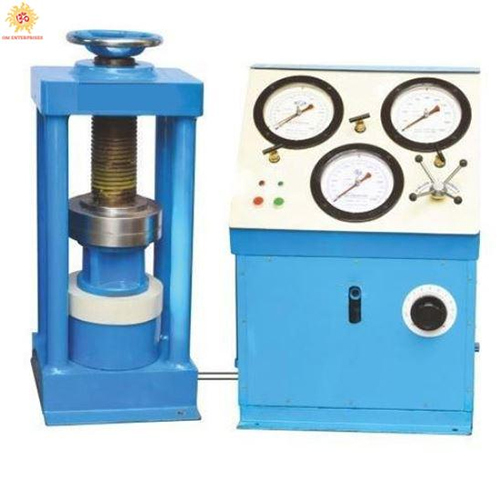
Tell us about your requirement

Price:
Quantity
Select Unit
- 50
- 100
- 200
- 250
- 500
- 1000+
Additional detail
Mobile number
Email

More Products in Cement Concrete Testing Equipment Category
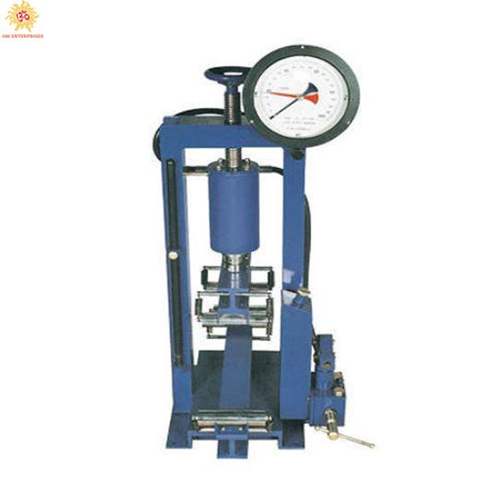
Flexural Testing Machine
Price 78000.0 INR / Unit
Minimum Order Quantity : 1 Unit
Color : Blue
Usage : Industrial
Product Type : Flexural Testing
Material : Mild Steel
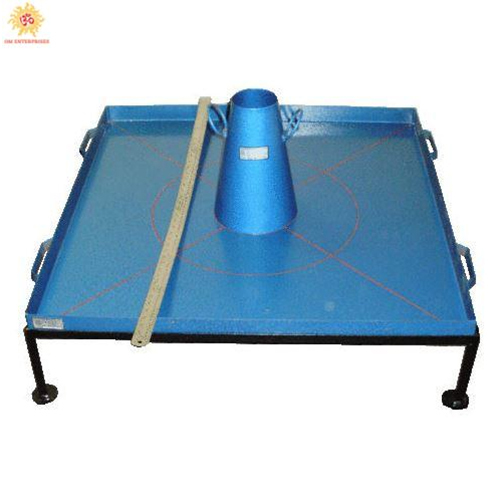
Slump Cone
Price 11500 INR / Piece
Minimum Order Quantity : 1 Piece
Color : Blue
Usage : Concrete test
Product Type : Slump Cone
Material : Mild Steel
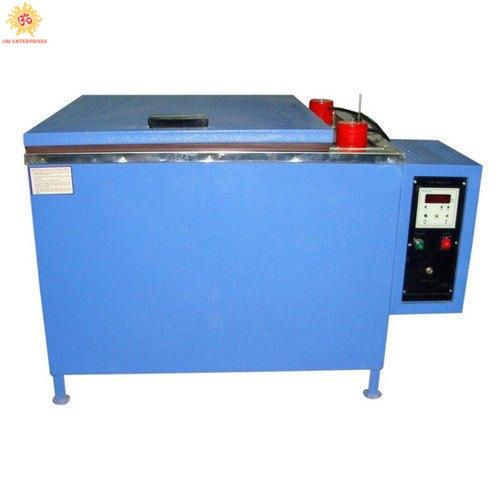
Cube Curing Tank
Price 16000.0 INR / Piece
Minimum Order Quantity : 1 Piece
Color : Blue
Usage : Industrial
Product Type : Cube Curing Tank
Material : Stainless Steel
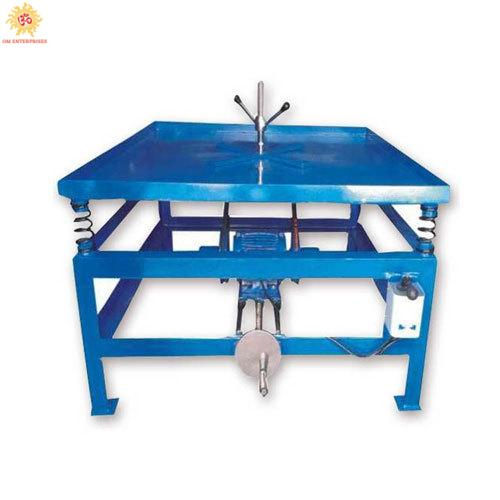
Vibrating Table
Price 39500.0 INR / Unit
Minimum Order Quantity : 1 Unit
Color : Blue
Usage : Industrial

Contact Details
OM ENTERPRISES
GST : 27ANTPP2231L1ZI
- Om House, S.No. 151/14/12, Magarpatta Road, Near Noble Hospital, Opp. Nine Options,Pune - 411028, Maharashtra, India
- Phone :08071931255

 Send Inquiry
Developed and Managed by Infocom Network Private Limited.
